Step 3: Design
Prototyping & Iteration
Guides campuses in defining what a meaningful “working learner” experience should look and feel like. This includes mapping the student journey from hiring to reflection and identifying opportunities for learning and growth.

Prototyping helps campuses define what a meaningful working learner experience should look and feel like. By mapping the student journey, teams can identify where learning happens, where support is needed, and where small changes could make a big difference.
A prototype isn’t a final product. It’s a simple, quick way to show an idea in action so people can react, give feedback, and help improve it before anything is built or rolled out.
Why prototyping matters
Prototyping allows teams to test ideas before investing time, money, or policy changes. By creating simple versions of new roles, supports, or processes, institutions can quickly see what works, gather feedback, and make improvements. Prototyping reduces risk while increasing impact.
Keep in mind
Prototypes don’t need to be perfect! Keep ideas simple and easy to change so teams can test what works before making larger investments. Use what you heard from learners and supervisors to guide ongoing refinement.
Prototype Testing
Invite the same learners and supervisors back.
Format
- 5-minute pitch
- 5-minute feedback
Feedback Questions
- What excites you?
- What concerns you?
- What feels unrealistic?
- What’s missing?
- Would this improve your experience?
How to Run a Pitch & Feedback Session
- Share the idea
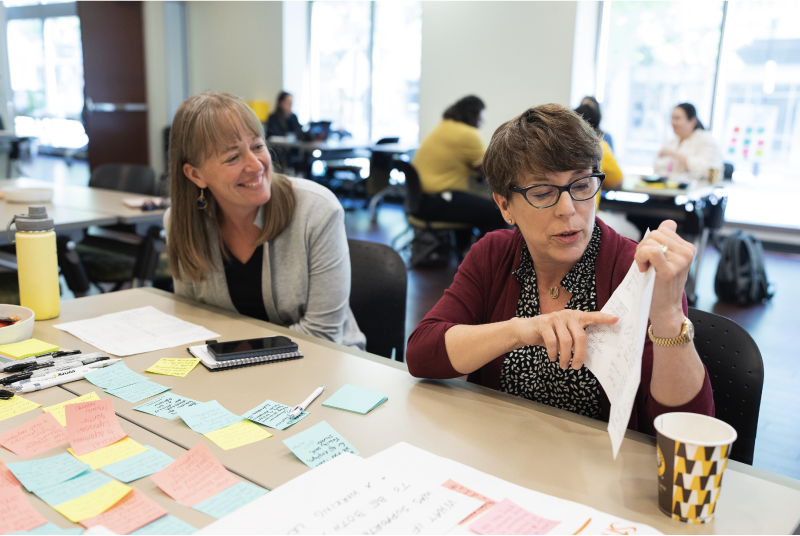
Each team presents their prototype. Put a time limit on presentations, typically a few minutes. Focus on what it is and who it’s meant to serve. - Listen for reactions
Peers, students, and partners share what stands out, what feels helpful, and what raises questions. The goal is to listen, not to explain or defend the idea. - Capture what you hear
Take notes on patterns in the feedback, especially where people see opportunities, confusion, or unintended barriers. - Refine the prototype
Using what they learned, teams adjust their ideas to better support learning, equity, and career readiness before moving toward implementation.
Feedback & Consolidation
After gathering feedback, teams compare their ideas, combine similar ones, and narrow the list to a small set of the strongest options. These selected prototypes are the ones that move forward for testing, refinement, and possible implementation.
Consolidate & Select: A 3-Step Checklist
- Group similar ideas
Lay out all the prototypes and look for patterns. Combine ideas that solve the same problem or support the same part of the working learner journey. - Evaluate for impact and feasibility
For each group of ideas, ask:
- Does this meaningfully improve learning, equity, or career readiness?
- Is this realistic to test or implement with our current resources?
- Choose what to move forward
Select a small set of prototypes that show the greatest promise. These will become the focus for piloting, refinement, or broader adoption.
Resources
Looking for hands-on support?
Work+ partners with institutions to facilitate the process and move ideas into action.