Image
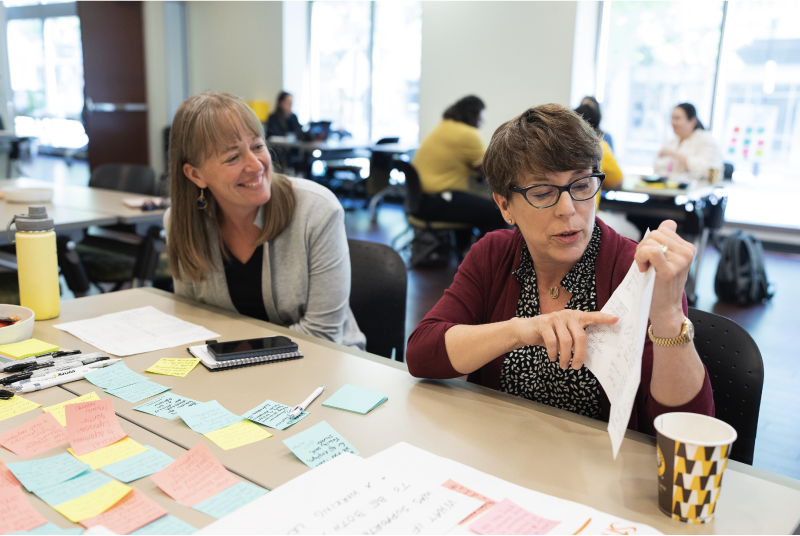
Group of people smiling and working at a table

Understand the Work+ Philosophy

Learn how redesigning student employment drives equity and career success.

Why It Matters

Student employment is more than a paycheck—it’s one of the most powerful, scalable, and equitable learning experiences your campus can offer. The Work+ philosophy challenges institutions to see every student job as a potential classroom, every supervisor as a mentor, and every work experience as a high-impact practice that can shape lifelong career outcomes.

For decades, higher education has treated student employment as operational support rather than educational opportunity. Yet research shows that how students work matters as much as whether they work. On-campus roles—when designed intentionally—help students connect coursework to real-world contexts, develop transferable skills, and build the confidence and networks that propel them into meaningful careers.

Work+ repositions student employment as a strategic driver of equity and career readiness, not a side program. It invites institutions to redesign systems and structures around the lived experiences of “working learners,” many of whom are low-income, first-generation, or students of color who rely on their jobs to stay enrolled.

Core Beliefs of the Work+ Philosophy

Work Is Learning.

Every student job is a learning experience with potential for skill-building, reflection, and mentorship.

Supervisors Are Educators.

Student supervisors are central to the learning process—they need tools, training, and recognition to mentor effectively.

Equity Is Foundational.

Working learners disproportionately come from historically marginalized groups. Redesigning student employment is an act of equity and inclusion.

Institutions Shape the System.

Barriers students face are rarely personal—they’re structural. Policy, funding, classification, and communication systems must evolve to support meaningful work.

Change Requires Co-Creation.

Solutions emerge from partnership—between students, supervisors, administrators, and peers across departments. Work+ is collaborative by design.

How to Begin

Step 1: Ground Your Team in the Why

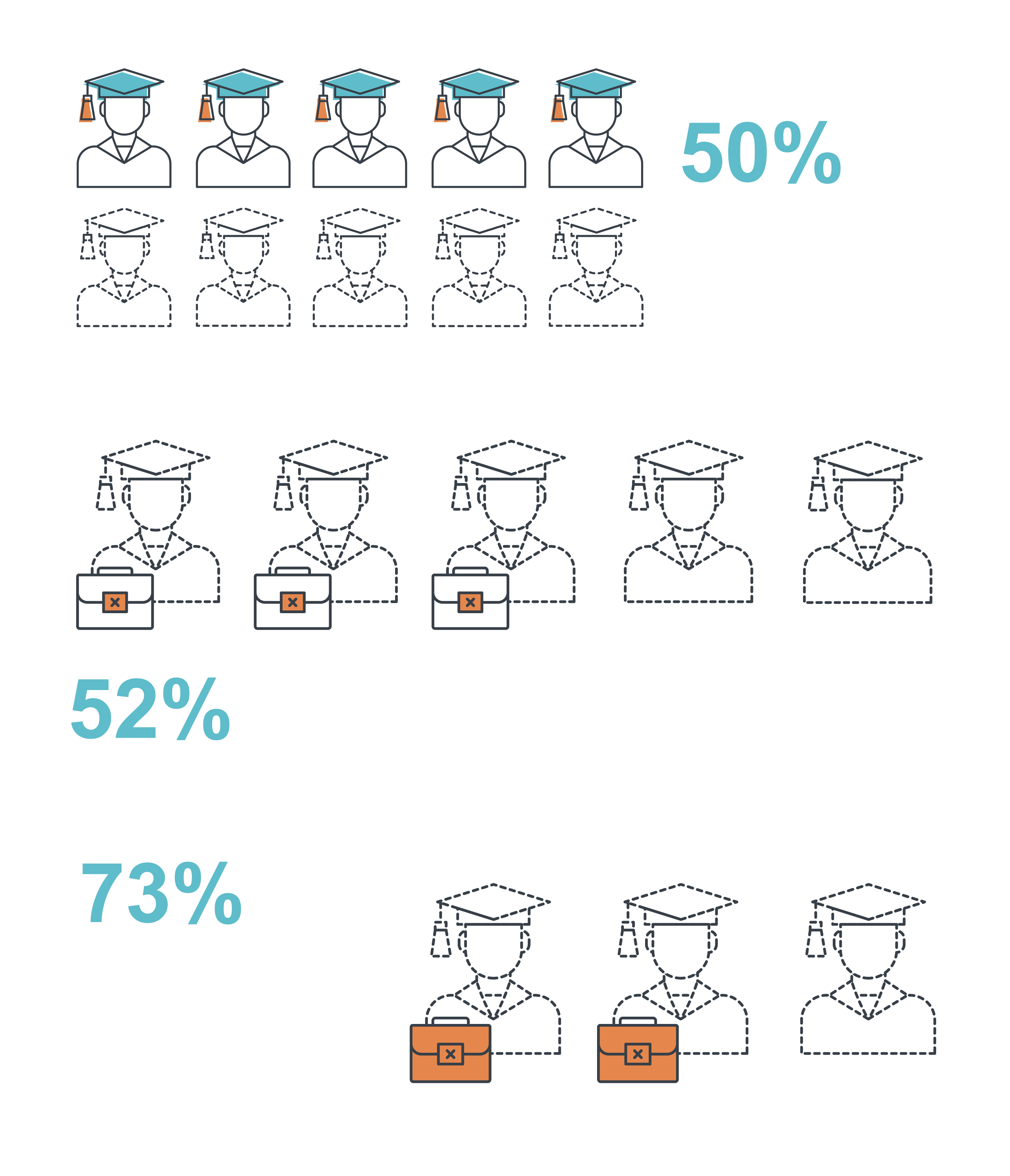
Start by reviewing national data on working learners and career outcomes. The “Working Learner Dilemma” highlights how the traditional promise of higher education—study hard, graduate, get a good job—no longer holds evenly true. Facilitate a team discussion around these guiding questions:

  • What does student employment currently mean on our campus?
  • Who benefits most—and who benefits least—from the current system?
  • How could employment better serve as a learning experience for all students?
Step 2: Reflect on Equity and Access
Analyze your student employment demographics. Are low-income, first-generation, or students of color proportionally represented? Where do they work? Do those roles build professional competencies or focus on transactional tasks? Equity gaps often hide in plain sight—data makes them visible.
Step 3: Map the Stakeholders
Identify everyone connected to the student employment ecosystem: HR, financial aid, career services, academic departments, supervisors, and students themselves. Understanding their roles—and the policies that connect them—lays the groundwork for collaboration later in the journey.
Step 4: Learn from the Collective
Explore case studies from the 37 universities already in the Work+ Collective. Notice how different institutions adapted the model to their culture. There’s no single template; every campus story begins with shared values but takes its own form.